Our Products
1.1 Rolling bearing construction
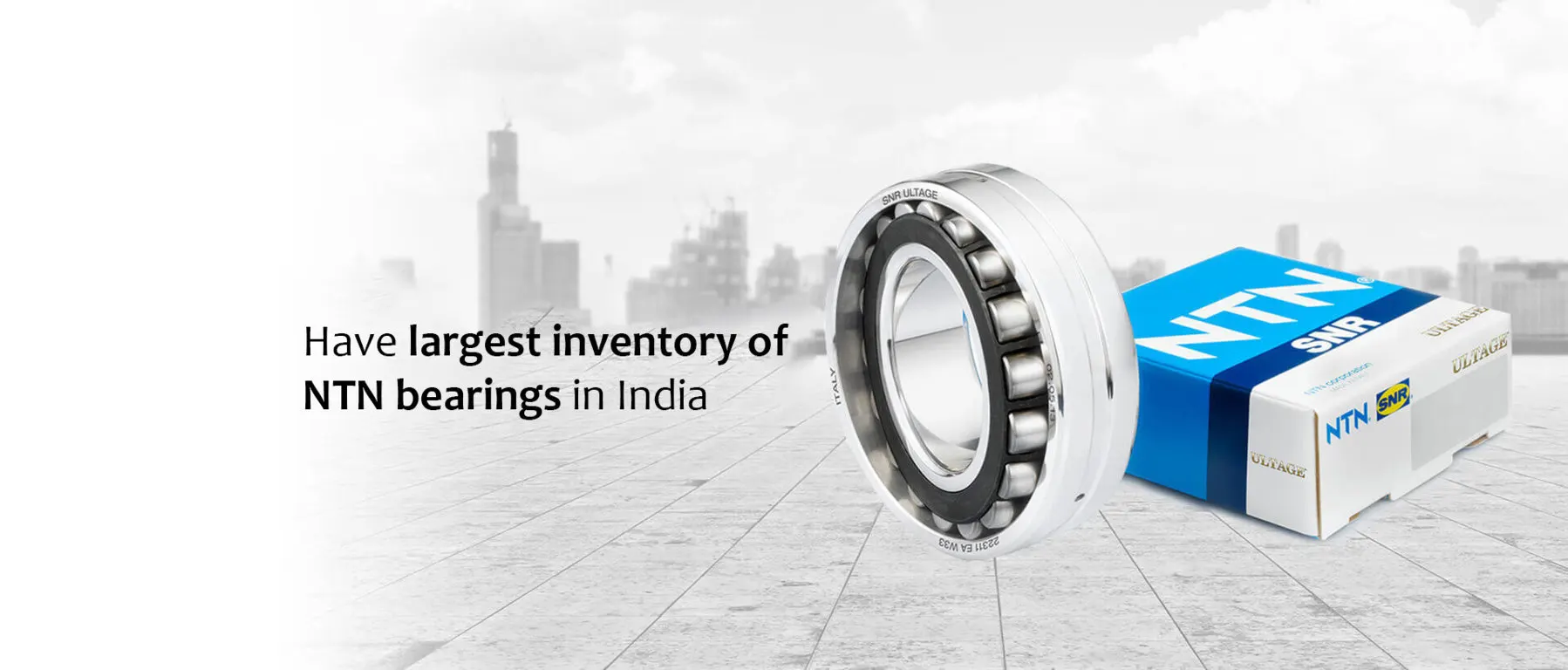
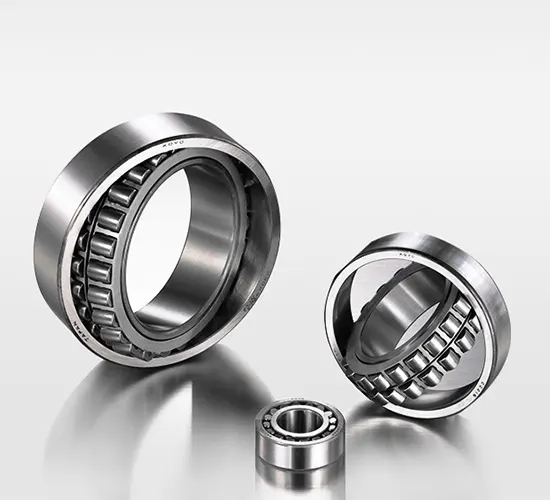
Most rolling bearings consist of rings with raceway (an inner ring and an outer ring), rolling elements (either balls or rollers) and a rolling element retainer. The retainer separates the rolling elements at regular intervals holds them in place within the inner and outer raceways, and allows them to rotate freely. See Figs. 1.1 - 1.8.


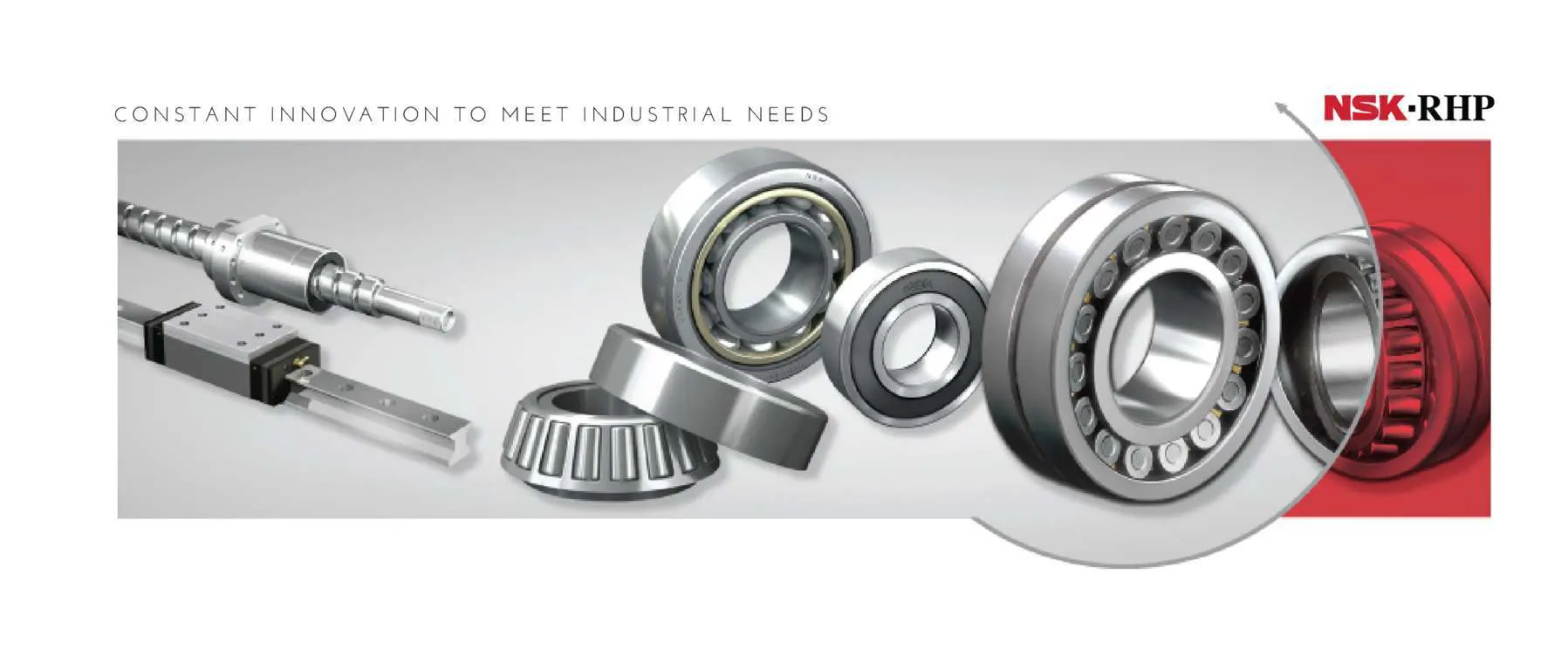
Rolling elements come in two general shapes: ball or rollers. Rollers come in four basic styles: cylindrical, needle, tapered, and spherical.
Balls geometrically contact the raceway surfaces of the inner and outer rings at "points", while the contact surface of rollers is a "line" contact.
Theoretically, rolling bearings are so constructed as to allow the rolling elements to rotate orbitally while also rotating on their own axes at the same time.
While the rolling elements and the bearing rings take any load applied to the bearings (at the contact point between the rolling elements and raceway surfaces), the retainer takes no direct load. It only serves to hold the rolling units at equal distances from each other and prevent them from falling out.
1.2 Classification of rolling bearings
Rolling bearings fall into two main classifications: ball bearings and roller bearings. Ball bearings are classified according to their bearing ring configurations: deep groove, angular contact and thrust types. Roller bearings on the other hand are classified according to the shapeof the rollers: cylindrical, needle, taper and spherical.
Rolling bearings can be further classified according to the direction in which the load isapplied; radial bearings carry radial loads and thrust bearings carry axial loads.
Other classification methods include: 1) number of
rolling rows (single, multiple, or 4-row), 2) separable and non-separable, in which either the inner ring or the outer ring can be detached, 3) thrust bearings which can carry axial loads in only one direction, and double direction thrust bearings which can carry loads in both directions.
There are also bearings designed for special
applications, such as: railway car journal roller bearings (RCT bearings), ball screw support bearings, turntable bearings, as well as rectilinear motion bearings (linear ball bearings, linear roller bearings and linear flat roller bearings).